All Categories
Featured


Creating High-Converting Landing Pages That Perform in 2026
Table of Contents
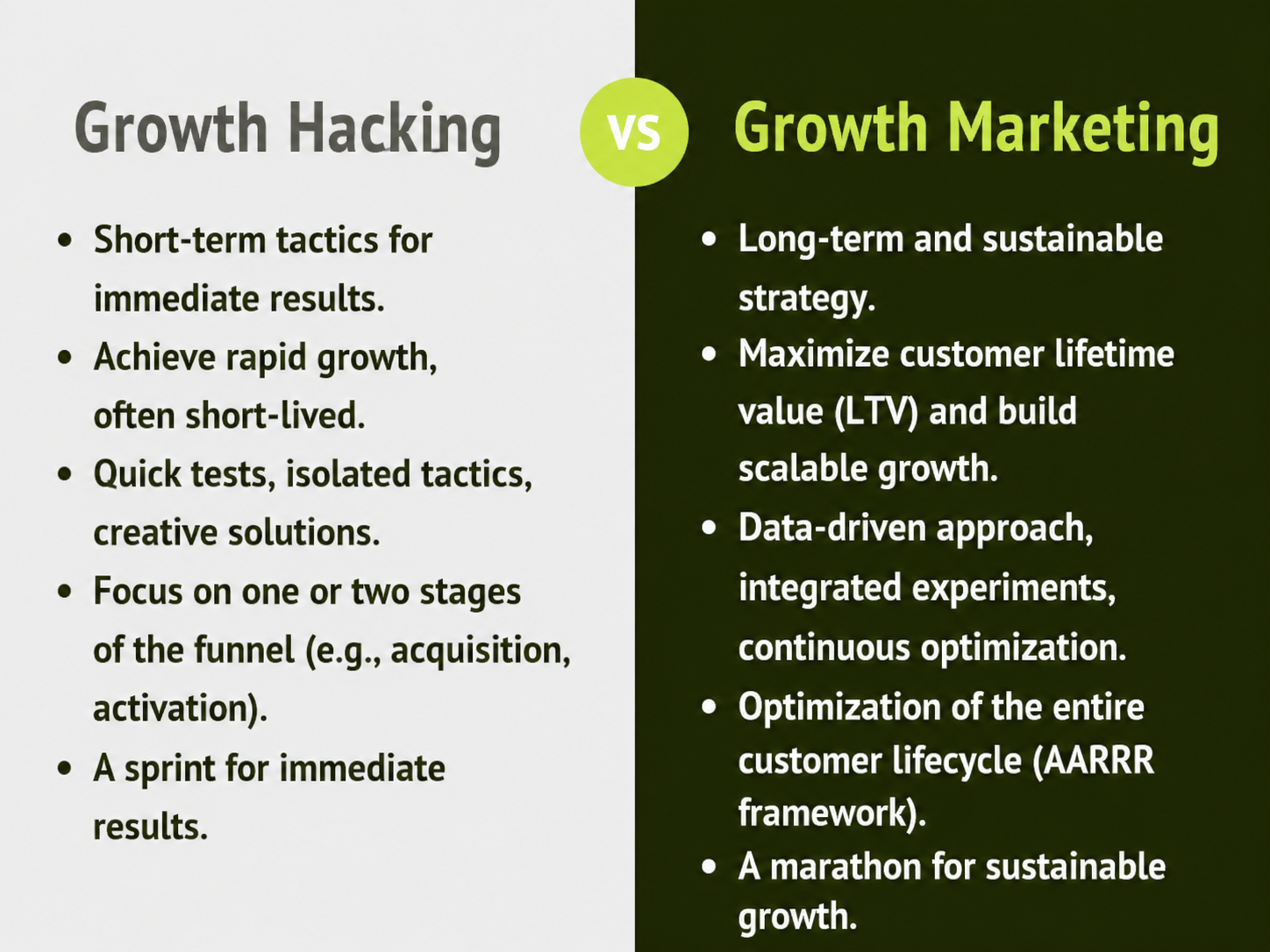
This has been the technique favoured by Silicon Valley for lots of years and it's responsible for some of the greatest startups and tech names around the world, consisting of Facebook, Twitter, Airbnb, PayPal and Dropbox. As Neil Patel describes in his outstanding break down of development hacking on the QuickSprout blog site: "In the very first stage of a startup you do not require somebody to 'build and manage a marketing team' or 'manage outdoors suppliers' or perhaps 'establish a tactical marketing strategy to accomplish corporate goals' or a lot of the other things that online marketers are tasked with doing.
He created the expression to distinguish from the niche type of marketing startups require in their first phase from the much wider world of digital marketing. During the first phase, a startup just cares about development and protecting investment. Profit doesn't even matter at this moment and ignore developing any kind of cash reserve for a rainy day - all income goes right back into business and increasing growth as rapidly as possible.
Many organizations have to stabilize growth with revenue, expenses, cash flow, roi and a variety of monetary performance indications. Start-ups might be the exception where growth brings in financial investment, which fuels additional development and yet more investment and a choose couple of endeavors develop themselves as industry leaders. The growth hacking mantra of Silicon Valley isn't all it's split up to be, though.
It's a problem progressively pointed out by scientists, financial experts and a growing number of entrepreneurs that we need more start-ups that don't prioritise growth above all else. There are issues at the other end of the scale, too. Companies that don't prioritise growth adequate reach earnings, income and profit ceilings.
[target2:anchor_exact1]There's no getting away from the truth that. This does not indicate you have to prioritise growth over every other aspect of your company - everything depends upon what your objectives are. Are you wanting to construct the most significant brand name possible and sell it at the peak of its value? Or are you identified to achieve long-lasting, sustainable growth so that your business can end up being a market leader and stay there for decades to come? Growth marketing is constantly strategy-first.
Scaling Media Budgets Across US Markets
This not only lines up everybody's expectations of growth (particularly stakeholders), but it most importantly assists marketing leaders direct their group in the best instructions towards a common goal. Ultimately, development needs to be the methods to whatever end your organisation is working towards. Because sense, it must be sustainable, aligned with your worths, and not at chances with your larger goals.
I've broken these examples, tactics and hacks into the following three sections: How Harry's, Slack, Stripe & more use development marketing. Typical growth marketing strategies utilized by start-ups & brand names. Key techniques to apply development marketing. These should tell you all the insight and motivation you need to step up your development marketing game and use similar strategies to your own endeavors.
Here, we see how small companies turned themselves into industry giants, startups interfered with entire markets and established names future-proofed their position in the digital age. Harry's is the type of development marketing story smaller brands imagine. According to 2019 information from Slice Intelligence (now Rakuten Intelligence), Harry's is growing 3X faster than the industry average and faster than the Dollar Shave Club, which was the previous underdog favourite up until Unilever came along and bought it out.
Effective Paid Search Tactics to Win in 2026
Harry's is by no suggests the only newcomer to rise to the top of their industry by providing a membership service, either. This has become a staple strategy in the digital age, one that has actually improved industries across the spectrum and it all focuses on the concept of catching new consumers and keeping them.
Central to Harry's growth marketing technique is the quality of its shaving items - a crucial selling point both for brand-new and repeat clients. Harry's makes it hard for market giants like Gillette to stay competitive by providing quality products for affordable costs in a market that traditionally counts on high increase products.
Nevertheless, the business will need to increase sales among more youthful generations to remain pertinent. The good news for Harry's stockholders is that the company is currently making grounds in the ladies's shaving market, which is promising for its long-lasting goal of shifting importance amongst younger generations across the board. There's still plenty of work for Harry's to do in regards to long-lasting market placing however the company has actually put itself in an enviable position with its remarkable development marketing tactics up previously.

Latest Posts
Scalable Growth Media Strategies for United States Businesses
How Predictive Modeling Lowers PPC CPA
Your Future of Paid Media: 2026 Forecast